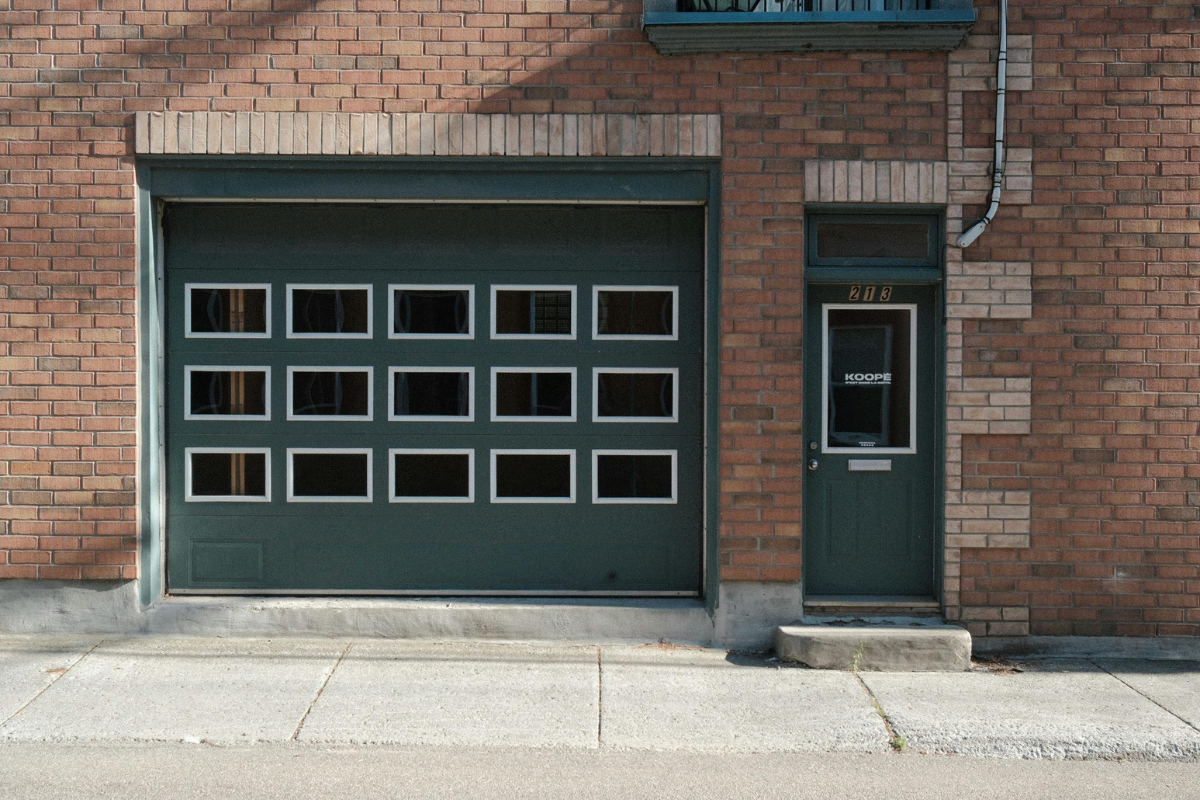
A garage door in Los Angeles pulls double duty. It shields cars from coastal air that chews at metal, buffers homes against Santa Ana winds, and opens and closes dozens of times in a busy week. The system looks simple from the driveway, but behind the panels you’ll find tightly wound torsion springs, staggered cable runs, load-bearing tracks, and a motorized opener that all need to work in concert. When one piece falters, the whole assembly feels it. Some problems whisper, others shout. The key is knowing which is which, and how to move quickly and safely when something goes wrong.
I have climbed ladders in the Valley during 100-degree spells, and I have crawled through damp alleys in Venice to get at corroded bottom brackets. Most calls fall into predictable categories: broken springs, frayed or off-spool cables, bent tracks from bumper taps, worn rollers, cracked hinges, and openers that strain themselves into early retirement. What changes from house to house is the mix of causes and the priorities of the homeowner. Some want the quietest door on the block. Some want a quick patch until a remodel. Others plan to rent and need a durable, low-maintenance setup. This is where a good garage door company in Los Angeles earns trust, by recommending repairs and upgrades that fit the situation, not just a parts catalog.
When a spring snaps
A counterbalance spring does the heavy lifting. A standard steel door can weigh 130 to 180 pounds. Double-car insulated doors often tip into the 200 to 300 pound range. Springs balance that weight so the opener isn’t dragging a dead load up a rail. When a spring breaks, you usually hear it. It sounds like a backboard crack or a hammer on pipe. After that, the door turns stubborn. It may rise six inches then stop. If you pull the emergency release, the door feels far heavier than you remembered.
The temptation to D.I.Y. is strong, especially for people who handle their own carpentry or car work. Springs are a different animal. The torque stored in a wound torsion spring can maim in an instant. Extension springs along the horizontal tracks can whip if the safety cable is missing or compromised. The safe move is to call a trained tech. This isn’t gatekeeping. It is the same way I wouldn’t rebuild a brake master cylinder without the right clamps and protections. The good news is that spring replacements are straightforward for pros. A balanced door with new springs behaves better, preserves opener life, and reduces wear on cables and drums.
Spring selection matters more than most homeowners realize. In Los Angeles, doors see sun on one side for hours, which warms the panels and adds slight expansion. Metal hardware also bakes in garages that lack ventilation. Heat itself does not destroy springs, but poor sizing and cycle fatigue do. Most stock springs are rated around 10,000 cycles. A family that uses the door as their main entry can rack up eight to twelve cycles a day. That puts a 10,000-cycle spring at roughly three years before it fatigue-fails. If you want fewer surprises, ask your garage door service in Los Angeles about higher-cycle springs, often in the 20,000 to 30,000 range. You pay a bit more upfront, then enjoy longer intervals between failures. It is a fair trade for doors that get heavy traffic.
Cables that fray, slip, or jump the drum
Cables don’t get headlines until they fail. They live near the floor, collect dust and moisture, and soak up whatever the dog tracks in. They loop around a bottom bracket that sees rain splash and salt if you live within a few miles of the coast. Over years, strands corrode, and a clean cable turns fuzzy. If you catch this early, you’ll see a twist in the cable or feel roughness as it moves, and the door may rise out of level. If a cable breaks outright, one side of the door falls and binds in the tracks. That can twist the top section, crack stiles, and bend hinges.
I have replaced cables in homes where the only clue was a slight gap at the bottom right corner when the door sat closed. That quarter inch hinted at an out-of-sync spool. We found the drum had backed off a hair, and the cable had a kink from a previous jump. Fixing cables is not simply a matter of putting on a new rope. You inspect drums for grooves, tighten set screws that held fine for years then loosened after a jolting force, and square the door so it travels without scuffing the weatherstrip.
One design choice matters in this region. If you are near the ocean, request stainless or coated aircraft cables. They don’t last forever, but they buy time against rust that starts where the eyelet meets the bottom bracket. Keep debris away from the cable path. A leaf that lodges in the bracket can grind against the strands like a file. When a garage door company in Los Angeles suggests a package that includes new bottom brackets with safety tabs and fresh fasteners, it is not padding the bill. Those pieces take the worst of our climate.
Tracks, rollers, and the damage small bumps cause
A bent track looks harmless from the ground. A slight inward pinch, a small flat spot. The damage only reveals itself under load. As the roller reaches the bent area, the stem torques, the hinge flexes, and the opener’s force spikes. Do that for a month, and you will hear new noises. A healthy door glides. A hurting door grinds, pops, or chatters.
This is where you can prevent bigger trouble with a simple practice. Keep cars two feet clear of the door line when backing out or pulling in. Too many tracks get flattened by gentle taps. If damage exists, a skilled tech can often straighten tracks with a bar and gauge, then reset the track spacing from the jamb to ensure a consistent gap. If a track kinked deeply, replacement is safer than a cosmetic straightening. For rollers, nylon wheels with sealed bearings are worth their cost. They quiet the door, need no annual re-lube, and reduce vibration that shakes fasteners loose.
Hardware loosening is the hidden issue in Los Angeles older homes with wood jambs. Studs may be dry and slightly soft, especially in garages that have seen a few roof leaks. Lag screws holding track brackets can lose bite. If someone upsizes the screw without strengthening the substrate, the problem returns. I carry wood hardener and blocking to rebuild anchor points instead of relying on a larger screw to solve a structural problem.
Opener problems that masquerade as door problems
Half of the service calls I get start with the phrase, the opener went bad. Sometimes it did. Many times, the opener just reacted to a door out of balance or to friction in the hardware. A modern opener includes force and travel logic to protect people and property. It senses resistance and reverses. If the door is heavy due to a broken spring, the opener reverses near the floor. If the door binds in the track, the opener stops mid-rise.
There are true opener failures. Circuit boards blow after a summer surge. Travel limits drift after a decade. A trolley carriage cracks. Belt drives develop a fray after years of sun through a garage window. Chain drives rattle if they were lubricated with the wrong product, which stiffened into tar. A steady pattern I see involves photo-eye misalignment. Kids kick a soccer ball, or the gardener bumps a sensor with a blower, and the beam misaligns by a centimeter. The door closes to the floor, then returns open with a blinking light. Before calling anyone, wipe the lenses, check the sensor LEDs, and confirm the brackets are level and tight.
Once per year, test the door balance by releasing the opener and lifting by hand. It should hold near mid-travel without flying up or crashing down. If it does not, call for service. This protects the opener from fighting a door that has slipped out of spec. If you do need a new unit, a garage door company in Los Angeles will likely suggest a belt-drive opener for quieter operation in homes with living space above or next to the garage. For garages with heavy carriage-style doors, a wall-mount jackshaft opener keeps the ceiling clear and handles torque well when paired with a shaft and torsion springs. These choices matter in older craftsman homes where space is tight and aesthetics count.
The coastal effect, the canyon effect, and afternoon heat
Neighborhoods in Los Angeles each bring their own wear patterns. Beach communities see accelerated corrosion on bottom fixtures and cable ends. Gale days push a closed door in https://www.google.com/maps?ll=34.039273,-118.374522&z=13&t=m&hl=en&gl=US&mapclient=embed&cid=14540248617915134491&q=Master%20Garage%20Door%20Services&oq=garage%20door%20service and out, stressing struts and fasteners. In the canyons, wind gusts can push the door off balance mid-travel, especially if the force limits are tuned too high. In the Valley, garage interiors climb well past 100 degrees. Grease thins, then drips onto drums and cables. Dust hangs in the air from nearby construction and bakes onto tracks.
These are not reasons to worry, only to build habits. Park damp boards and paint cans away from the door to reduce moisture near the bottom seal. Replace a cracked bottom weatherstrip before it tears off and invites water into the track area. If you hear the door howl when the Santa Anas arrive, a brace strut across the top panel often quiets the flex and improves longevity.
When to repair and when to replace
It can be hard to tell if a door is worth saving. I look at panel condition, hardware age, and the structural integrity of the vertical stile where the opener arm attaches. A single cracked panel on a sectional door is not a death sentence. Many manufacturers sell replacement sections if the model is still produced. A trained tech can stiffen a cracked stile with an operator reinforcement bracket and keep the opener from tearing through the skin. If the door has multiple cracked stiles, a bowed top section, and water damage at the bottom rail, you reach a point where repairs cost more than a new door in the medium term.
A fresh installation offers benefits that are easy to overlook. Modern insulated doors reduce street noise by a noticeable notch. They cut heat transfer into rooms over the garage. They seal tighter against pests. If you plan to sell a home, a clean, quiet door with matching hardware and a smart opener shows well in a listing. Many buyers use the garage door daily, so a smooth open feels like quality. If you go this route, a vetted garage door installation in Los Angeles should include disposal of the old door, new tracks sized to the new door, fresh springs matched to the panel weight, and tuned opener integration. Reusing old tracks to save a few dollars can lead to alignment issues, because tracks and sections are engineered as a set.
Safety first, especially around springs and cables
There is a small set of tasks most homeowners can handle safely. You can wipe tracks with a clean rag to remove dust, though avoid adding grease to the rails, since that attracts grit. You can lubricate hinges, springs, and roller bearings with a light silicone or garage-specific lube, applied sparingly. You can test photo eyes and the auto-reverse function using a 2 by 4 laid flat on the floor. You can tighten hinge bolts with a nut driver, as long as you do not touch set screws on drums or center bearings.
The tasks to avoid are just as important. Do not loosen any hardware attached to a torsion shaft unless you are trained and equipped. Do not remove bottom brackets while the door is under spring tension. Do not attempt to unwind a spring with makeshift bars. I have seen screwdrivers bent into L shapes from torque they were never meant to hold. If you inherit a door with extension springs and no safety cables running through them, schedule a service call to add cables. They cost little and can prevent damage if a spring breaks.
Picking a garage door company in Los Angeles
Reputation matters in a city with this many options. Look for a track record of verifiable local work, not just a polished website. Ask if the tech who quotes the job is the one who will do the work. Confirm they carry parts on the truck for common repairs, because a second visit means a second wait and an extra day with a stuck car. Pricing should be clear. An honest quote states part grades, spring cycle counts, and any disposal or haul-away fees.
If you are considering a new door, insist on a site visit rather than a phone-only estimate. Ceiling height, jamb material, floor level, and opener type all inform the right choice. I have measured garages where a beam sat a shade lower on one side. A standard radius track would have clipped it. A low-headroom kit solved the problem cleanly. These details separate a smooth installation from a frustrating one. The best garage door service in Los Angeles will point out these constraints early and propose options, not surprises during the install.
Materials and styles that make sense here
Wood doors look right on Spanish revival and craftsman homes. They also demand care. South-facing exposures bake finishes. If you choose wood, budget for refinishing on a two to four year cycle, and protect the bottom rail from standing water. Steel doors offer the most durability per dollar. Galvanized steel with a quality paint coat resists the coastal air better than bare or low-grade finishes. If garage space doubles as a gym or workshop, an insulated steel door with polyurethane foam improves comfort and reduces rattle. Aluminum and glass doors turn a garage into a light-filled studio, a choice popular in Venice and Culver City. The trade-off is higher upfront cost and a need for periodic hardware checks to keep the larger, heavier door balanced.
Hardware finishes are not just cosmetic. Zinc-plated or stainless hinges last longer near the beach. Powder-coated struts resist rust better than raw steel. Ask about these options when you order. The price difference is small compared to the cost of replacing corroded parts in three years.
Smart openers and local signal realities
Many households want smart control. Wi-Fi openers integrate with phones, alerts, and deliveries. This is mostly smooth, but there are quirks in dense neighborhoods. Interference from router placement, metal doors that act like shields, and thick stucco walls can weaken signals. I have solved more connection problems by moving access points than by changing openers. A simple mesh node near the garage can steady an otherwise flaky connection. For reliability, keep a traditional remote programmed as a fallback, and mount a wired wall button in addition to a wireless keypad. Batteries die at the worst times.
Voice control is neat, but the safety lock on a wall console remains the reliable way to disable operation when kids or guests are around. If you store ladders or surfboards on ceiling racks, a smart opener with integrated LED lighting reduces glare and shadows, making it easier to see obstructions as the door travels.
What a maintenance visit covers, and why it pays off
A good maintenance tune-up is not a quick squirt of lube. It is a checklist of adjustments and observations that catch small problems early. I typically start with a balance test, then move through hinge play, roller wobble, track spacing, fastener torque, drum set screw integrity, and cable wear at the bottom bracket. I listen to the door mid-rise and near full open where the most stress is felt. I test the opener’s force and travel settings, then inspect the header bracket and the arm connection. If the opener uses a belt, I check belt tension and carriage wear.
One visit a year suffices for most homes. For rental properties or high-traffic homes where the garage is the front door, two visits keep things humming. The cost of a tune-up is usually less than one emergency call when a door jams half-open during a morning rush. It also extends the life of parts. Springs last longer when kept within balance spec. Opener motors run cooler when not forced to drag friction uphill. Cables spool cleaner when drums are kept tight and true.
If the door is stuck today
If your car is trapped and you are waiting on a tech, there are a few safe moves that sometimes help. Pull the opener release cord only if the door is fully closed. Lifting a heavy, unbalanced door by hand is risky. If the door is half-open and crooked, support the lower edge with a solid block to keep it from dropping. Keep kids and pets out of the garage until a pro arrives. If the opener is cycling but not moving the door, power it off at the outlet to stop repeated attempts that could damage gears.
I carry temporary brace bars for doors with cracked panels that need to open once to free a vehicle. We brace, open slowly, then return the door to a closed and safe position until repairs are done. Do not try to force a damaged door to open fully. The damage compounds quickly: a bow becomes a twist, hinges rip from a softened stile, and costs rise.
Budgeting for repair in Los Angeles
Prices vary by door size, part quality, and access. A typical torsion spring replacement for a standard single door often lands in a few hundred dollars, depending on cycle rating. Double doors and high-lift setups cost more. Cable replacements are usually less, unless panel damage occurred during the failure. Opener replacements span a wide range based on features and horsepower. Expect a fair quote to itemize parts and labor. If a price seems too good to be true, ask whether both springs will be replaced on a double-spring setup and whether the hardware carries a parts and labor warranty. Some budgets benefit from reconditioning where safe, such as keeping a solid opener and replacing worn gears, while others deserve a clean slate with new, matching components.
A short pre-season check you can do
- Close the door and stand inside with the lights on. Inspect rollers, hinges, and the bottom brackets. Look for loose fasteners, cracked hinge leaves, or frayed cables. Wipe tracks clean, then run the door to listen for changes in tone. Test safety features. Place a 2 by 4 flat on the floor under the door. Close the door with the opener. It should reverse on contact. Break the photo beam with your foot during close. It should reverse without touching the floor.
Those two steps take five minutes and catch many issues early. If something feels off, a call now beats a scramble later.
When a new door is part of a larger project
Remodels in Los Angeles often involve seismic retrofits, electrical upgrades, and driveway work. Loop in a garage door installer early if any framing or ceiling changes are planned. A beam that drops an extra inch eats headroom. A new water heater closet can block track swing. With coordination, you can specify low-headroom hardware, plan for a wall-mount opener, or adjust rough openings to center the door cleanly. This prevents the awkward compromises that happen when a crew shows up to install a door after framing has already fixed the constraints.
A quality garage door installation in Los Angeles will also evaluate your jambs and header. Old, split jambs should be replaced or reinforced before hanging a heavy insulated door. A steel angle across the header spreads load where the opener connects and reduces long-term sag. Details like these keep a door quiet and aligned for years.
The value of a responsive service partner
When people ask what differentiates one garage door company in Los Angeles from another, I point to three things. First, responsiveness. Jobs that leave a car stuck demand same-day solutions. Second, precise setup. A balanced, aligned door with tuned opener settings stays quiet and safe. Third, honest guidance. That means telling someone when to repair and when to replace, and standing behind both the parts and the workmanship. If you find a team that treats your door like a system, not just a sequence of billable parts, keep their number. Your future self will thank you the next time a spring decides to snap on a busy morning.
A garage door should fade into the background of daily life. It opens. It closes. It keeps weather out and calms the street noise. That happens when the right parts match the right environment, tuned by people who know what to look for. Whether you need a quick fix for a broken cable, a thoughtful plan for an aging door, or a full upgrade to a quieter, smarter setup, the path is straightforward: diagnose honestly, repair safely, and fit the solution to the home. That is the heart of dependable garage door repair Los Angeles homeowners can trust.
Master Garage Door Services
Address: 1810 S Sherbourne Dr suite 2, Los Angeles, CA 90035
Phone: (888) 900-5958
Website: http://www.mastergaragedoorinc.com/
Google Map: https://openmylink.in/r/master-garage-door-services